AI executes fast. Knowing what's wrong is the whole job.
Designing & shipping with AI · XyraLabs
A few prompts in, the AI handed me a working app — then tried to spin the whole thing up as a Vite project, except the repo it was supposed to live in was Next.js. Buildable either way, completely unnecessary, and a stack mismatch a designer who isn't in the codebase would never notice. I noticed. Catching that is the part of my job that didn't exist three years ago.
It wasn't broken, that's the honest part
I won't pretend my old workflow was miserable. Research, design, hand off, wait, ship. Standard. I didn't resent it because I didn't know there was another way. The problem was invisible from inside it: everything lived in different places, and the distance between what I designed and what shipped was just accepted — a tax everyone paid. I only saw the tax once I stopped paying it.
Fast, smooth, and confidently wrong
The first thing I built with AI was learn.xyra.trade, on Lovable. The high was real — a working app in a handful of prompts, the backend wired to the content smoother than anything I'd done by hand. Then the bill came, literally and figuratively: it burned cost fast, made decisions I never asked for, and assumed its way into a heavy, over-engineered stack for what was a simple documentation and learning platform. And it still shipped. It's still live, it carries about 6% of all sessions across the product suite, and people stay on it: 2.72 pages per session against 1.42 for everything else we ran. That's the part that keeps me honest about the complaint. The lesson wasn't "AI is magic." It was the opposite: AI gets you there fast and wrong, and the wrong part is the job.
It doesn't know your stack
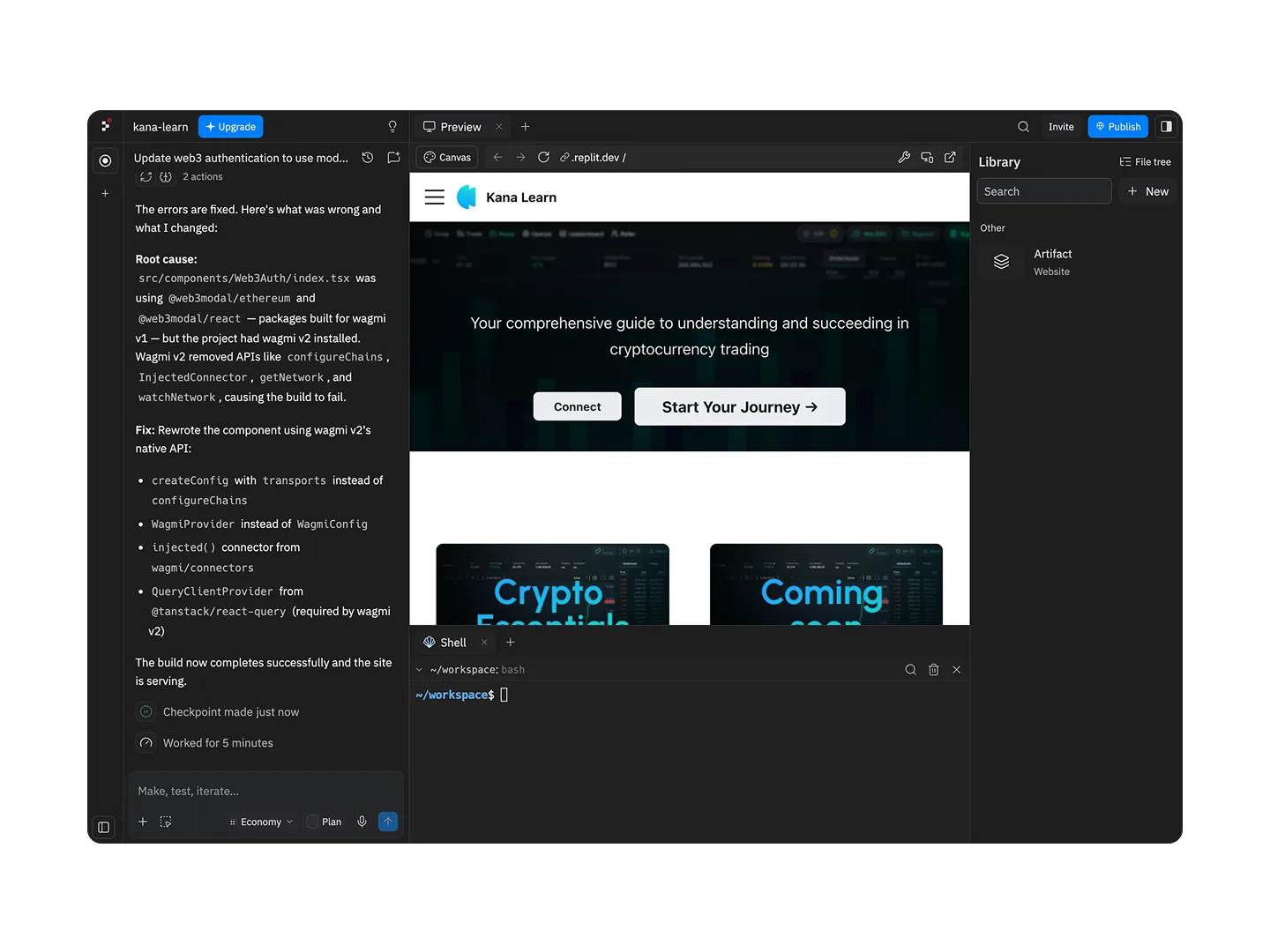
The Vite-versus-Next.js call is the clean example: it reached for a default, I knew the repo, and knowing the repo — and why the mismatch matters — is itself a design skill now. It assumes. It overbuilds. It picks the heavy framework for the light job. Left alone it will confidently produce something that works and shouldn't exist. So the division of labor is: I direct the build, make the architecture and component decisions, debug what the tools get wrong, and own the result. The AI accelerates execution; the judgment is the entire value, and it's still mine.
A designer inside the codebase
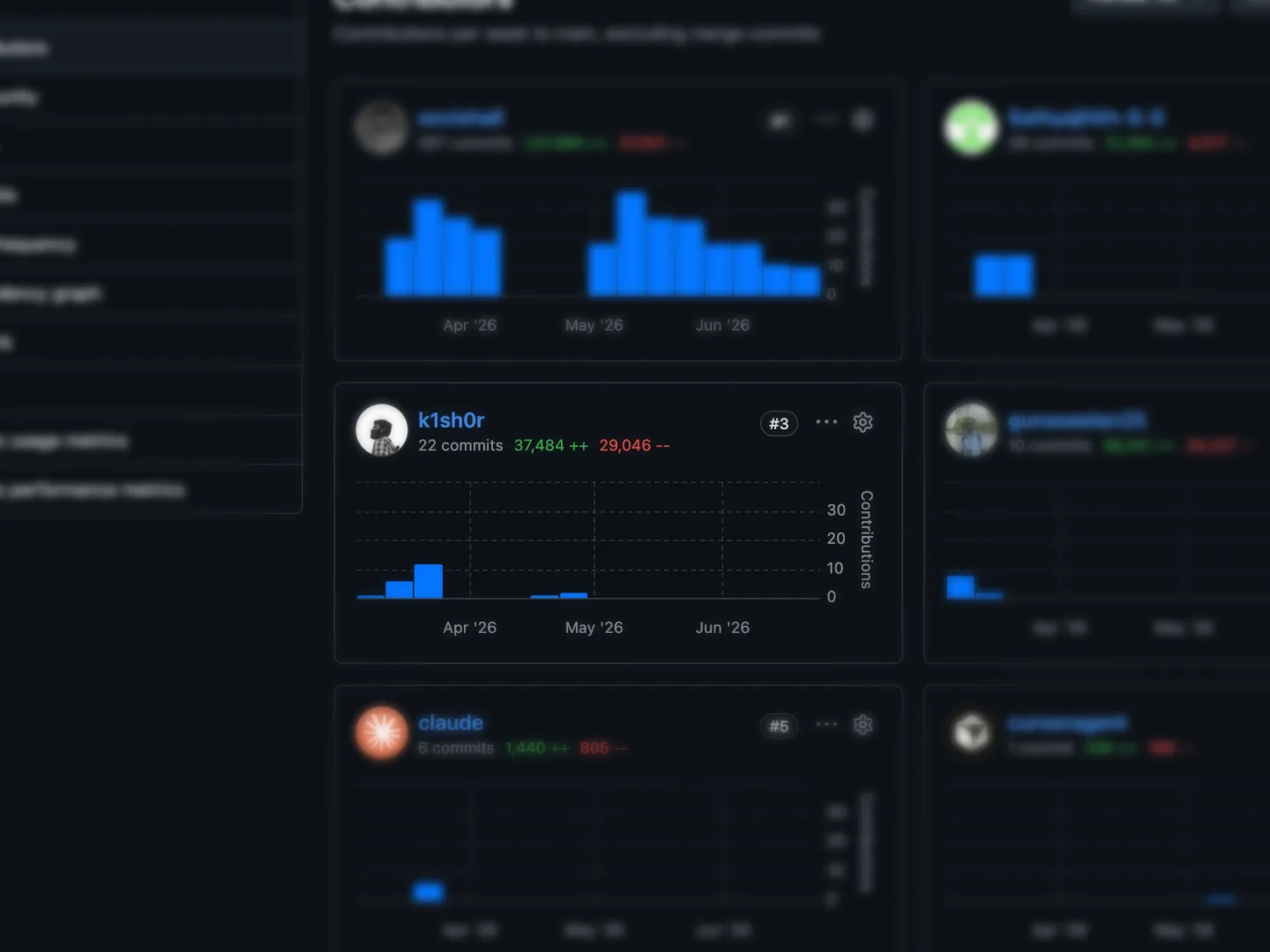
The Figma file stopped being my finish line. Now I build the front-end directly and send it to the developers — then I got access to the company's GitHub repo, and now I open PRs. A designer inside the codebase instead of lobbing files over a wall to it. The same shift runs through the video work too: AI-generated video, code-driven product videos in Remotion. The tool collapses the distance between intent and output, and what's left for me is the part that was always the real work: deciding what's good.
No sugarcoating
If you're a solo designer, never stop learning, and never decide something is beyond your scope. Keep breaking your comfort zone, on purpose. This is the AI era — and being a UI/UX designer is not enough, honestly. I don't mean that as a threat. It's the most freeing thing that's happened to my career: the ceiling on what one designer can own just went up enormously. The only question is whether you walk through that or stand outside it defending the handoff.