Replacing four tools with one class platform, built around two seats
GUVI’s bootcamp ran on Zoom, Drive, email and a chat app taped together. I designed the one platform that took their place.
- Role
- Product design, shipped with developers
- Company
- GUVI
- Users
- Mentors and students
- Scale
- About 200 learners per batch
Collapsing four tools that never talked into one place
Class links crossed between batches, questions sank in email and work hid in Drive folders.
4→1
tools collapsed into one platform
Live, still in use, still being improved.
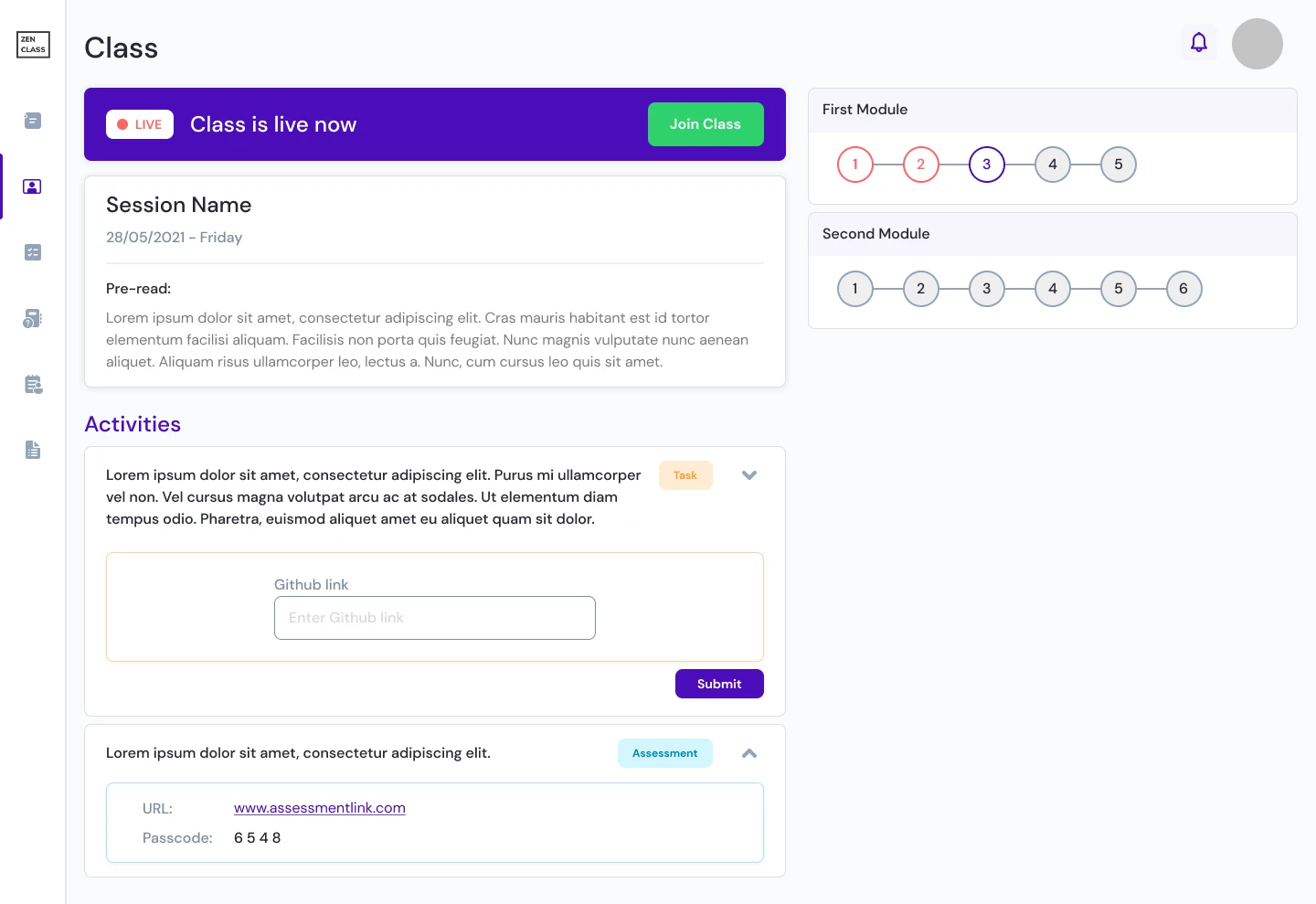
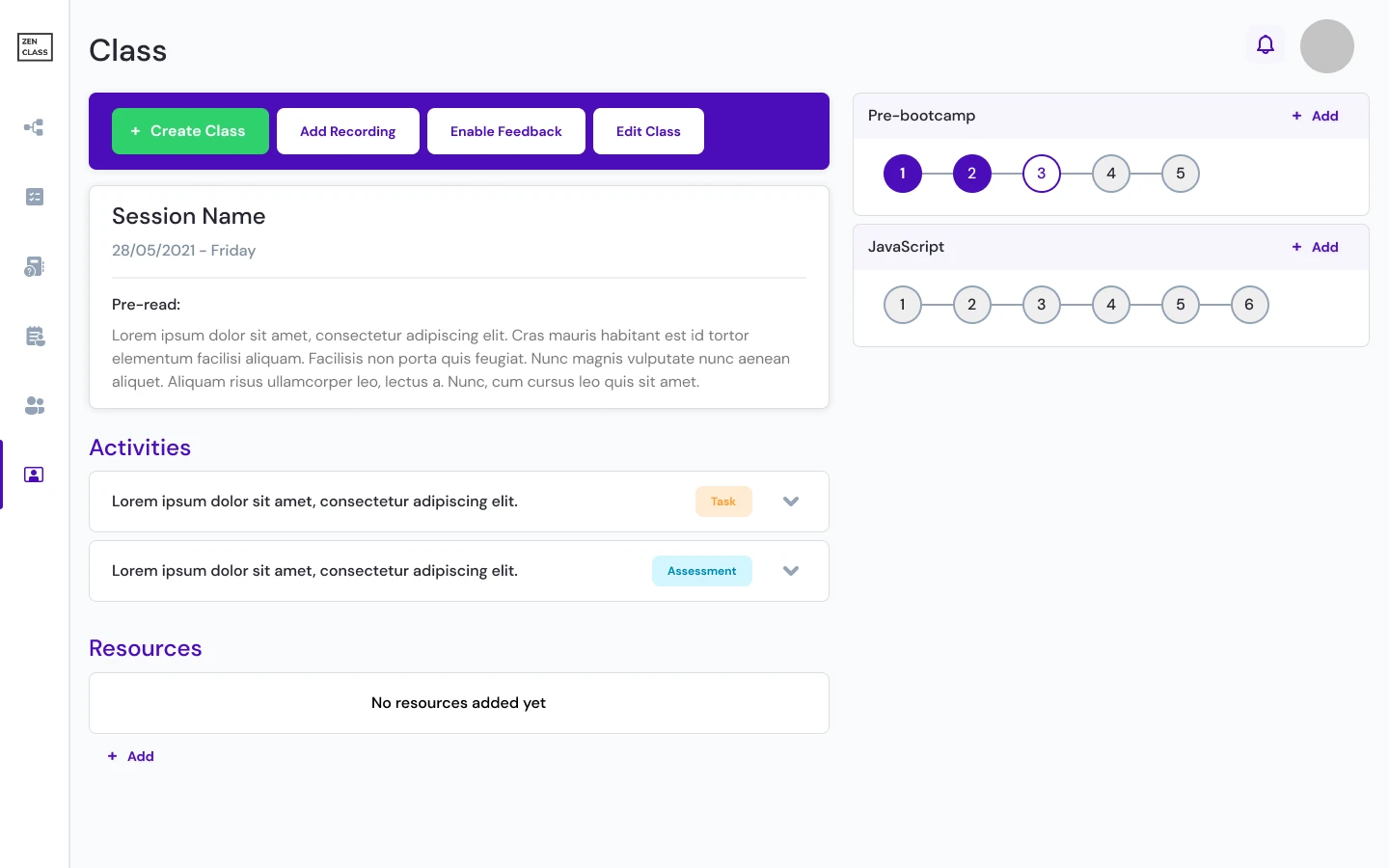
Designing one platform for two seats, so neither carries the other’s clutter
Students join, ask, submit and find material. Mentors run classes, answer doubts and review work.
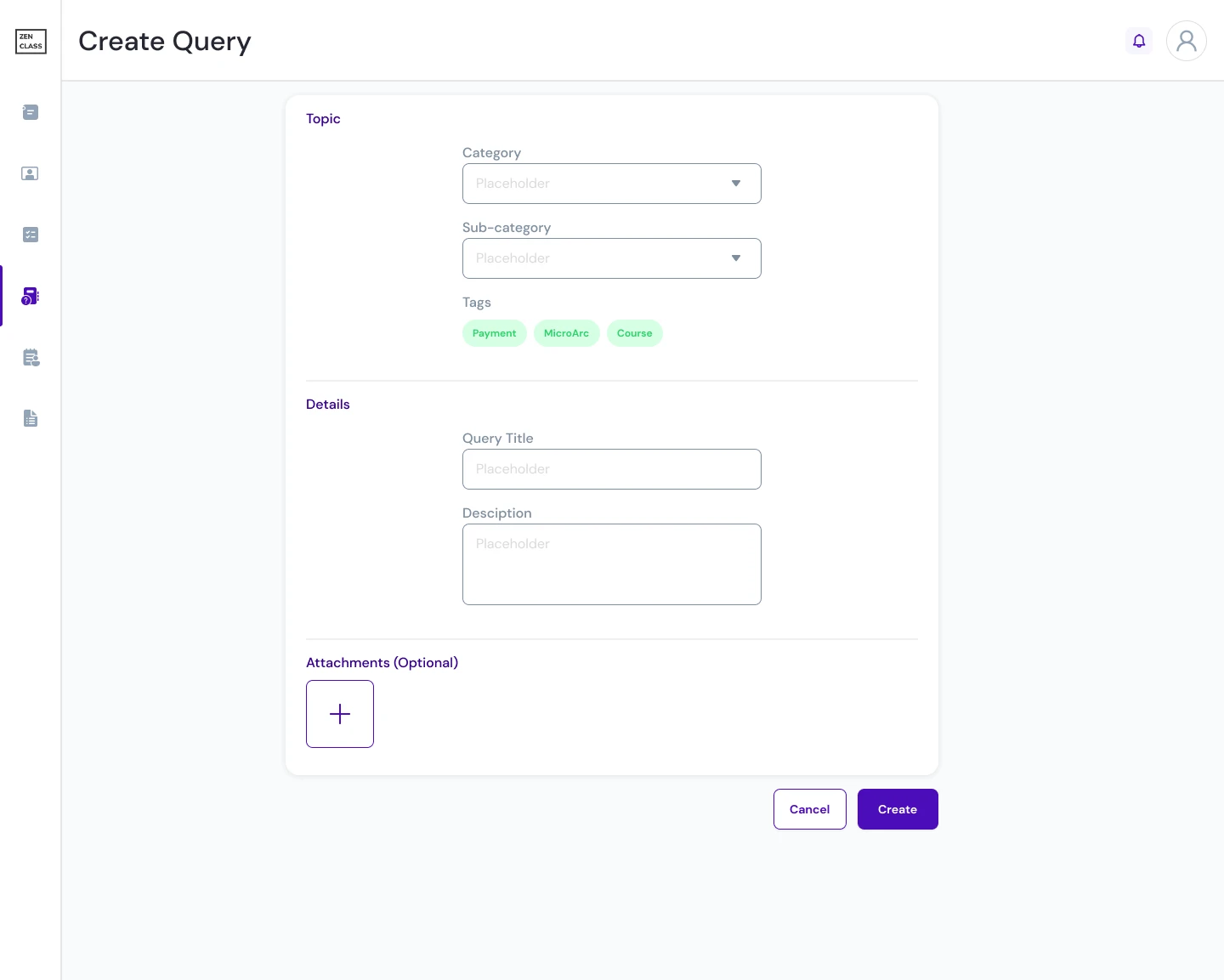
Turning doubts into tracked queries, so none sink the way email did
Every doubt has an owner, a status and an end. A student always knows where theirs is.
- AskRaise a queryTyped, tagged and attached in one form.
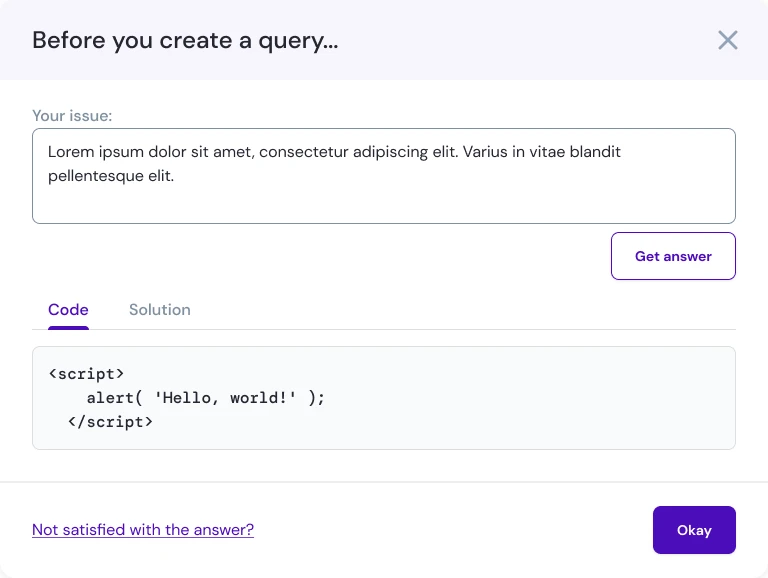
- InstantTry an answer firstCommon doubts answer themselves.
- AssignedA mentor takes itOne owner, in one thread.
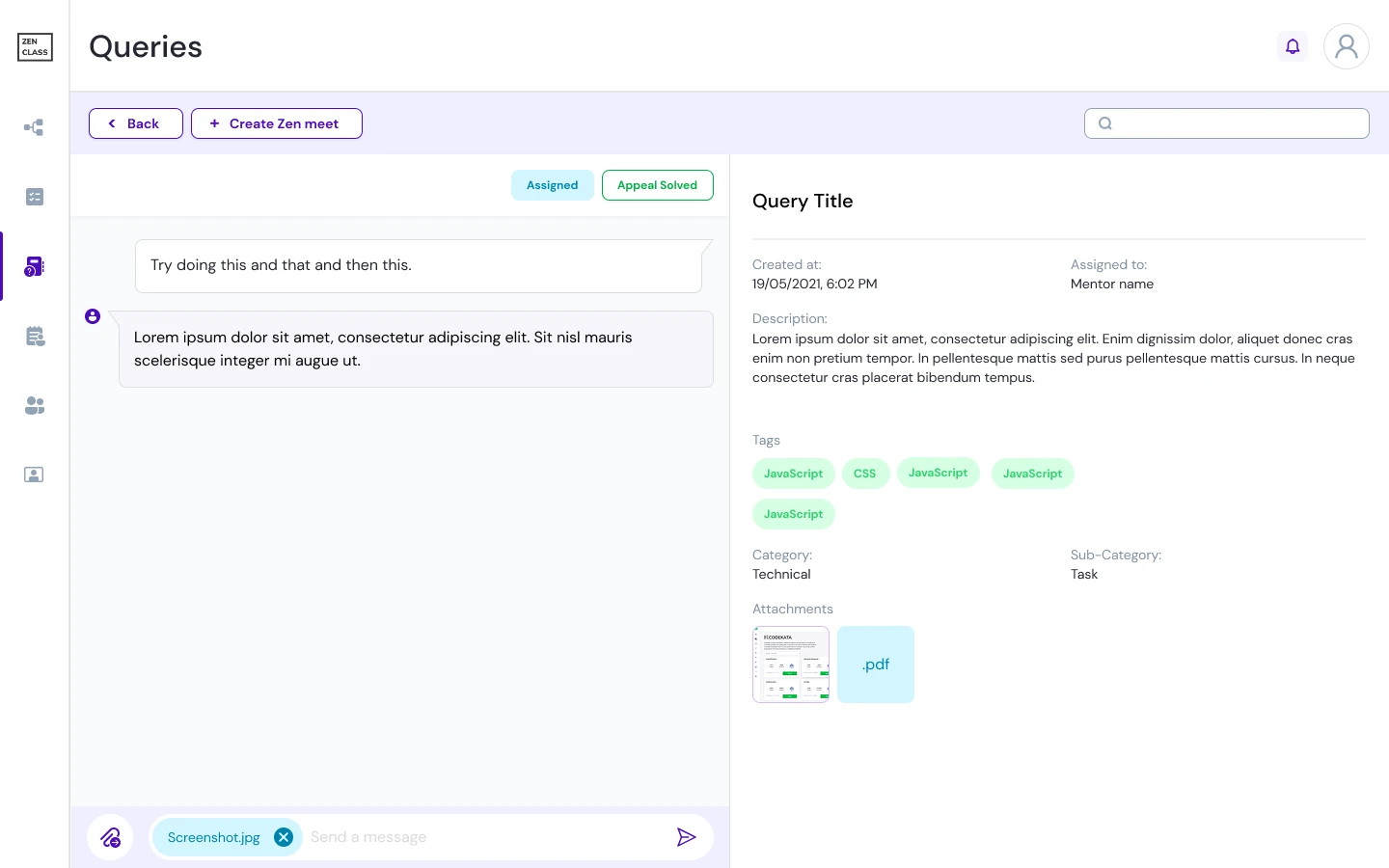
- CloseRate and closeThe student says when it is done.
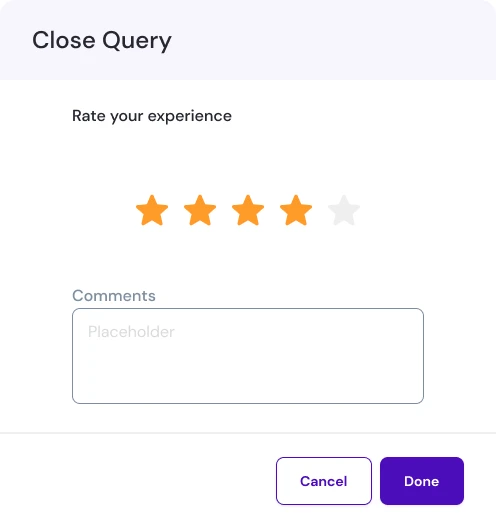
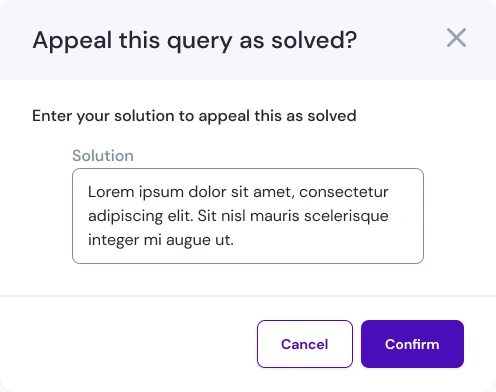
- AppealOr push backSolved is not final until they agree.
Answering common doubts before they reach a mentor
Before a query is created, the student can get an answer to the issue they typed. A mentor’s time goes to the doubts that need one.
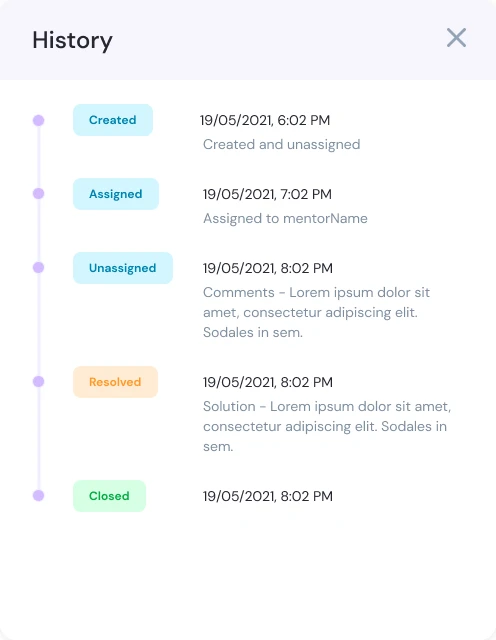
Showing every query’s history, so nobody has to ask what happened
Created, assigned, answered, resolved, closed: each step stamped with who and when.
Making the irreversible actions deliberate, and the reversible ones quick
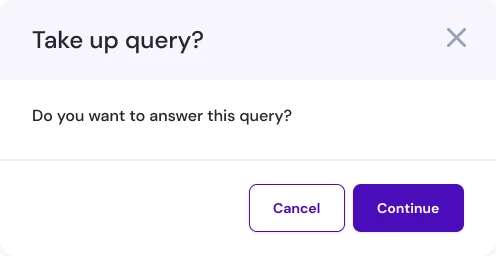
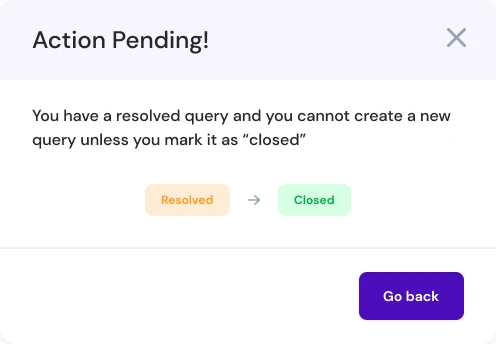
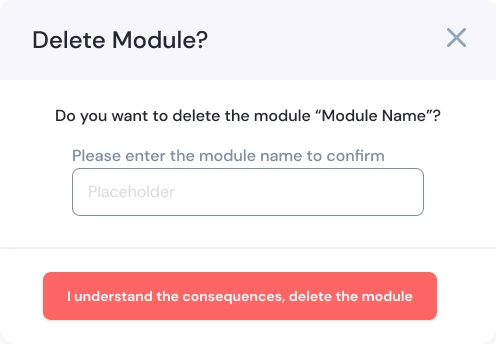
Error prevention, scaled to the stakes: the more a mistake costs, the more the dialog asks.
- LowTake up a queryCheap to undo, so one tap.
- MediumRaise a new queryClose the last one first, so mentors are not buried.
- HighDelete a moduleType its name to confirm.
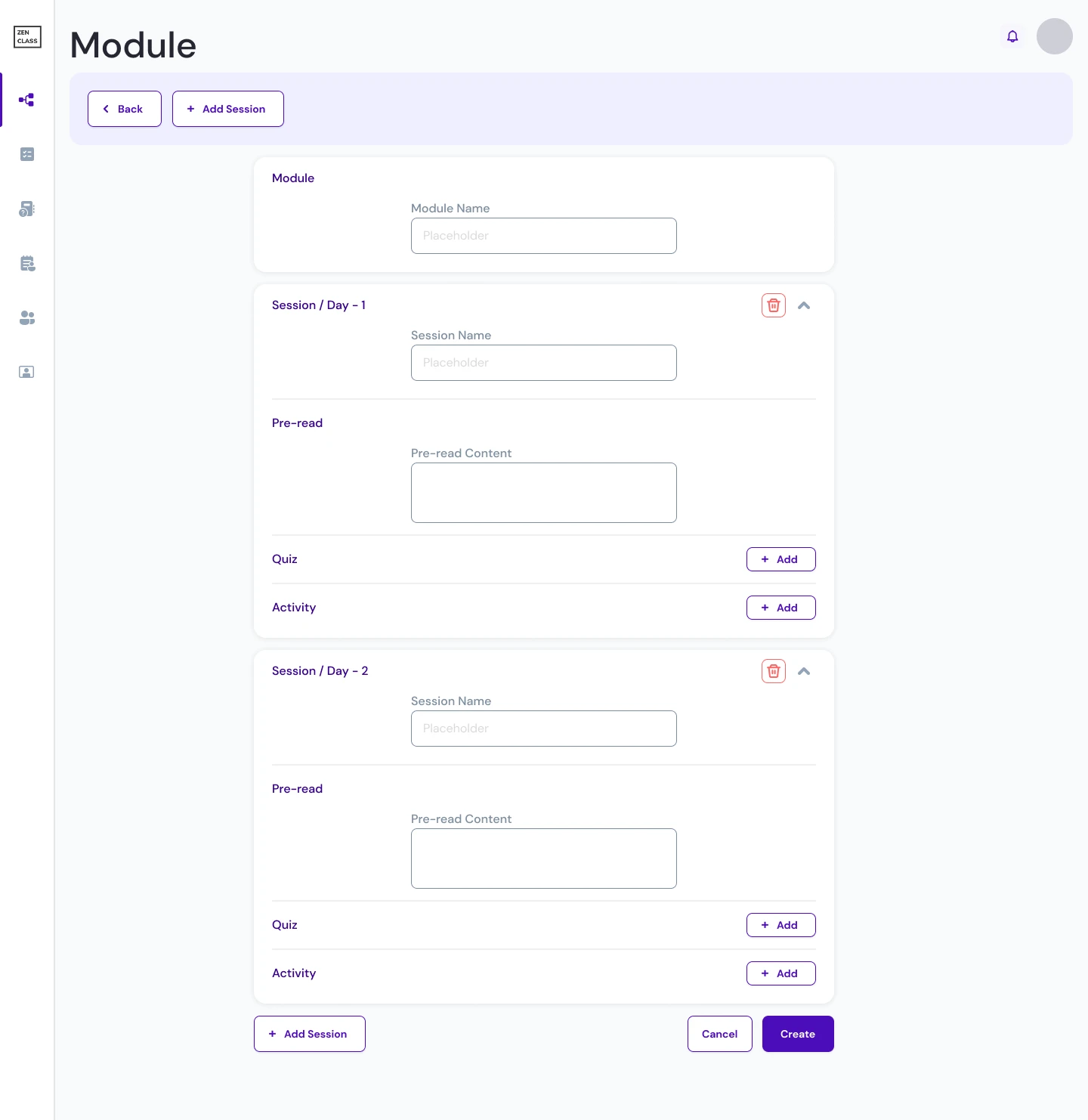
Letting mentors build a course themselves, module by module
Modules, sessions, resources and links, without asking a developer. Scheduling a class is one small dialog.
Carrying students past the course into jobs, in the same place
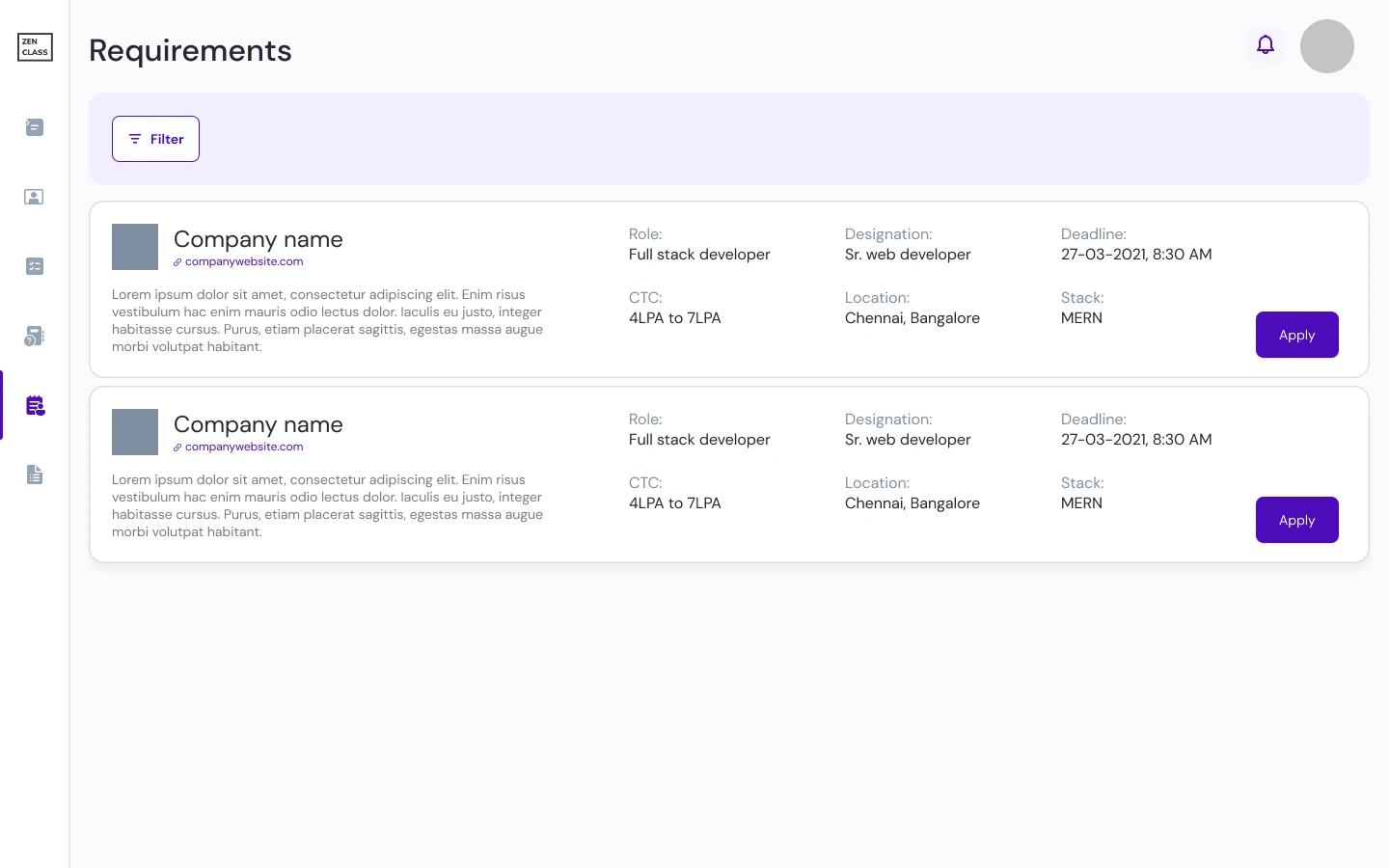
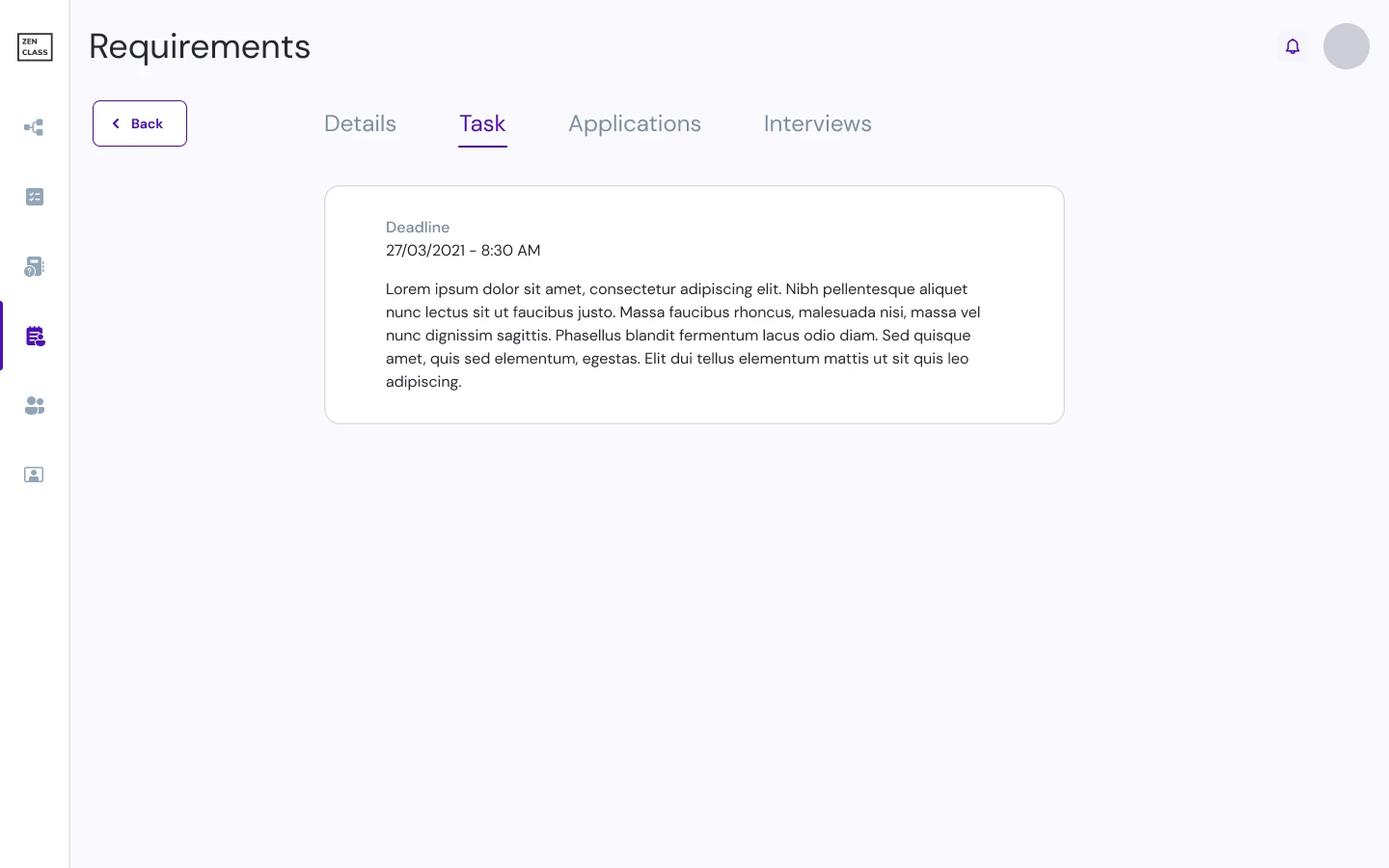
Companies post requirements, students apply with what they already built, and mentors track the applications and interviews.
~200
learners per batch, on average
The batches already running became my filter: I watched what people used instead of arguing in meetings.
Giving students a reason to come back between classes
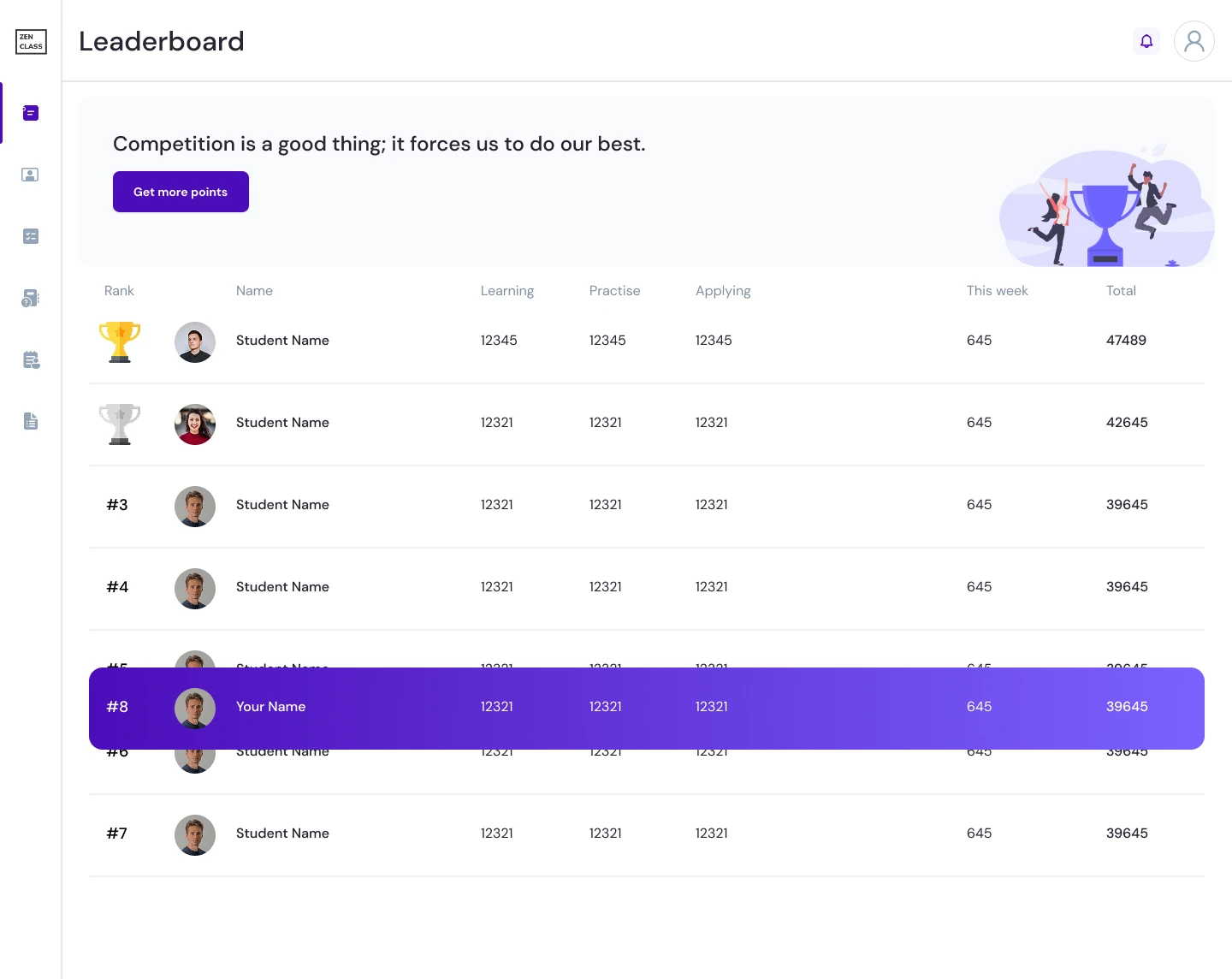
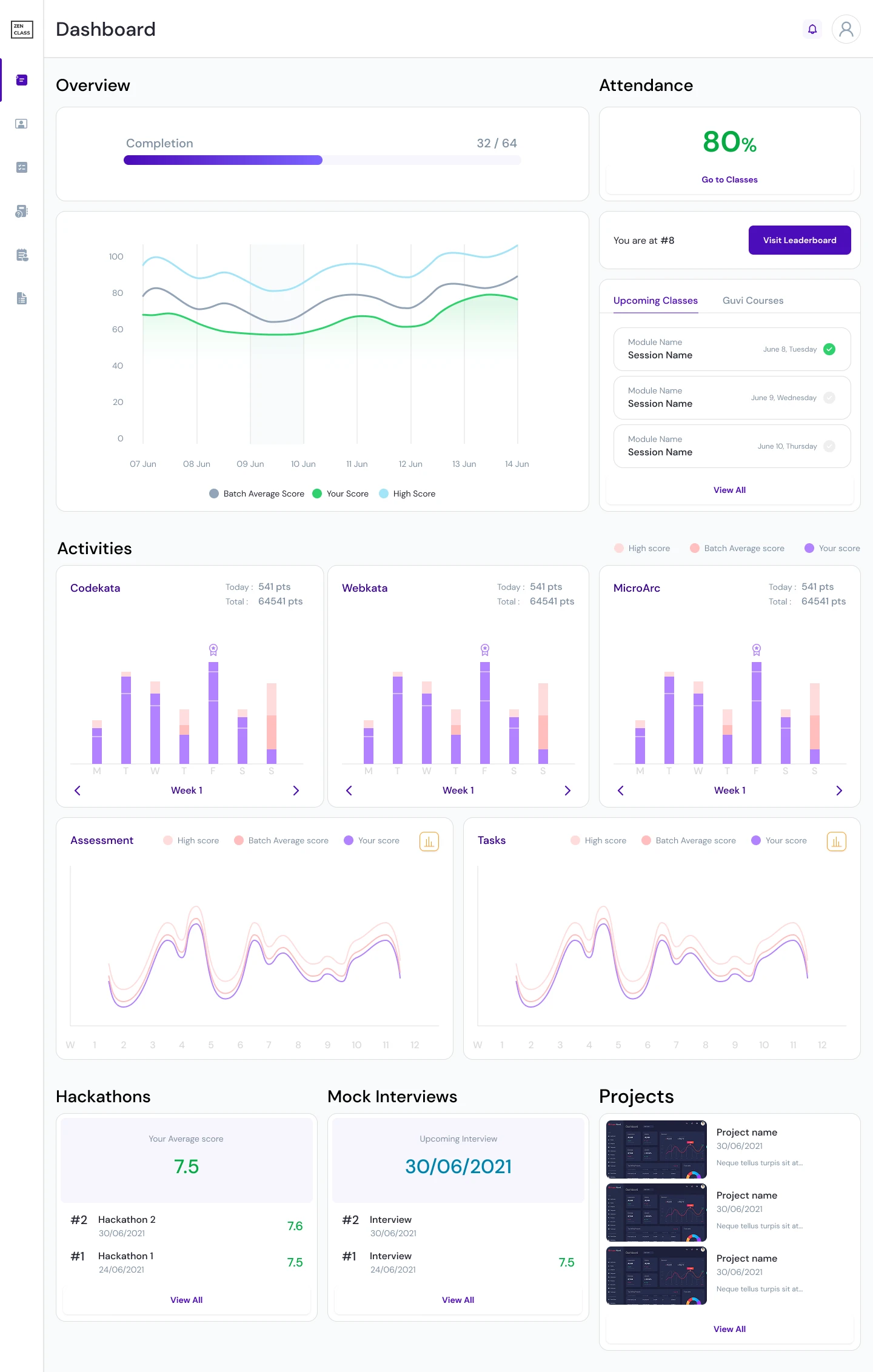
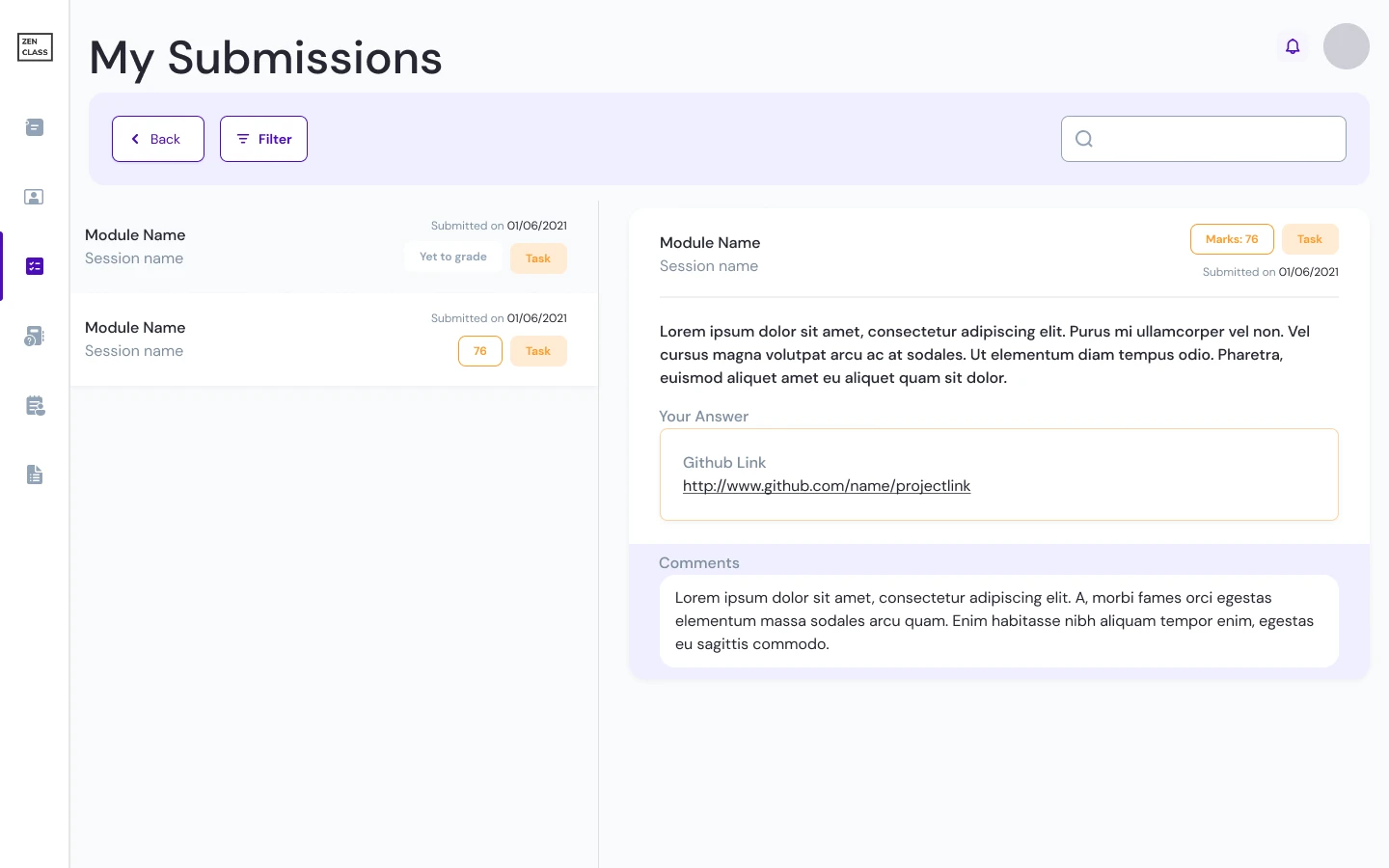
Progress, tasks and a leaderboard, so a batch can see itself moving.
Kill features faster
A few things I pushed for, the batches never used. Now my own ideas get the same suspicion as the old tools did.